
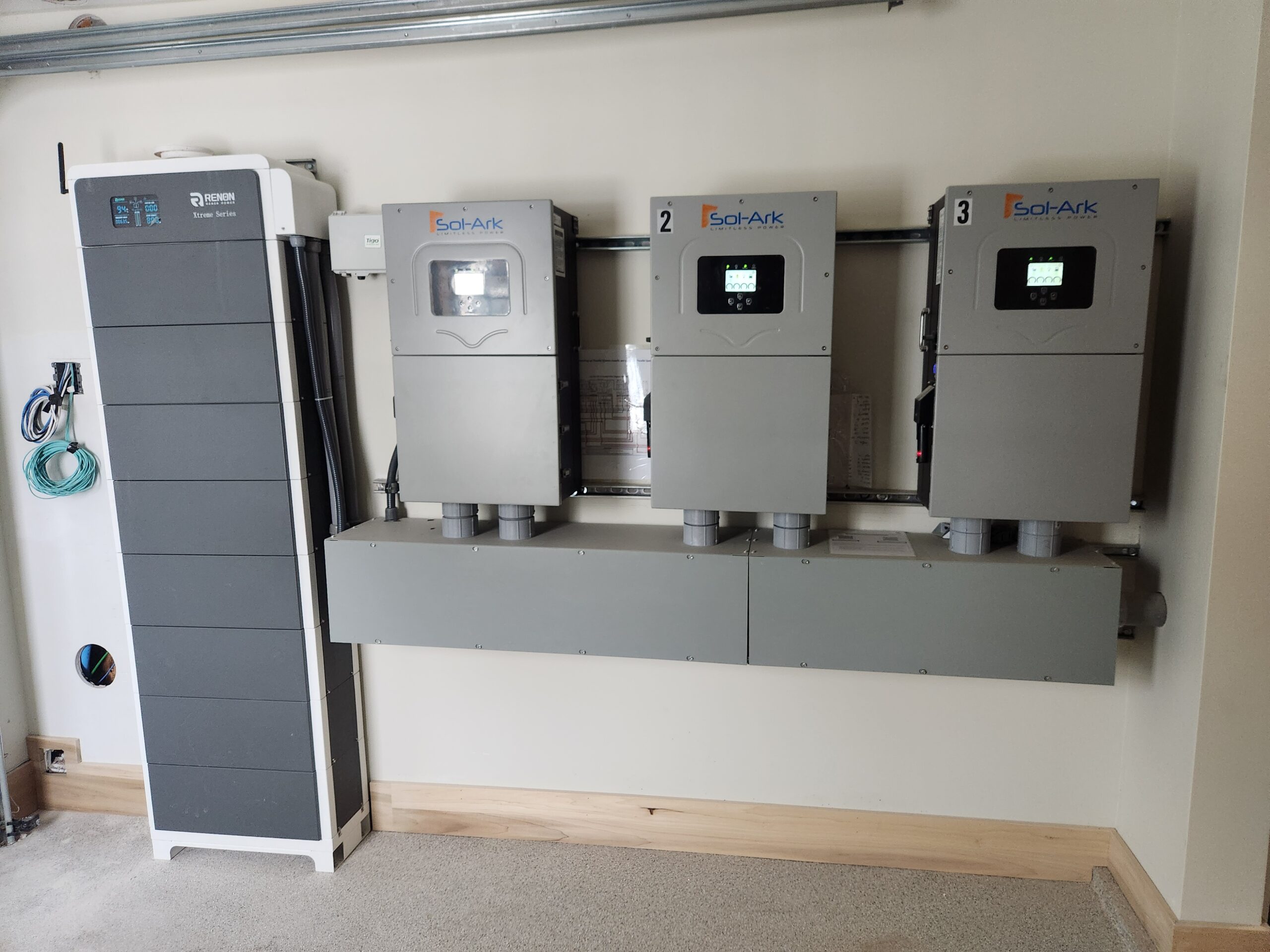
What Types of Batteries Are There?
There are three main types of batteries:
Lithium-ion: The most common type, offering high efficiency, long lifespan, lighter weight, and deeper depth of discharge. Typically, more expensive upfront but provides better long-term performance. This is generally the best value for most users.
Lead-acid (AGM or flooded): Cheaper upfront but with a shorter lifespan, lower efficiency, and requiring maintenance (especially flooded batteries). Still widely used in many installations.
Flow batteries: Less common, with a long lifespan and the ability to handle deep discharges. However, they are very large and expensive, making them suitable mainly for large commercial properties.
What Capacity & Power Do I Need?
What is Capacity (kWh)?
Capacity measures how much energy the battery can store. Larger households or heavy energy users will need bigger batteries. Your requirements may differ depending on whether the installation is residential or commercial.
What is Power Output (kW)?
Power output is the maximum rate the battery can deliver. This is important if you want to run high-demand appliances, such as air conditioners, ovens, or electric vehicles, during outages.
What is Depth of Discharge (DoD)?
Depth of discharge indicates how much of the battery’s capacity can be safely used. A higher DoD means more usable energy without damaging the battery. For example, a battery with a 90% DoD can use almost all of its stored energy.
Lifespan and Warranty
When choosing a solar company, ensure they offer a good warranty on the batteries.
Cycle Life: This is the number of full charge/discharge cycles before the battery capacity drops below a usable level. Think of it like how your cell phone battery degrades over time, but on a larger scale.
Warranty: Most quality lithium-ion batteries come with at least a 10-year warranty or 5,000+ cycles. Confirm that the warranty covers actual energy throughput, not just years. A reputable solar company will explain all options.
Compatibility with Your Solar System
Make sure the battery is compatible with your inverter, or if a hybrid inverter is required. A good solar company will know this.
Some batteries are proprietary and only work with specific brands (e.g., Tesla Powerwall works with Tesla’s system, though adapters exist). Using such batteries can increase costs. A reliable company will ensure you get only what you need.
Backup Power and Grid Independence
Decide whether you want a full backup (entire home runs on battery during outages) or a partial backup (critical circuits only). This choice affects battery size and inverter selection.
A quality solar company can recommend the right system to give you power in the evenings and potentially reduce reliance on the grid. You will still want to remain connected to the grid for emergencies and to send excess energy back. With proper design, the ongoing cost of grid connection is minimal.
Scalability
Can your system be expanded if your energy needs increase? Some brands offer modular systems for future growth. Discuss potential upgrades with your solar provider.
Safety
Look for batteries with certifications such as UL 1973 (U.S.) or IEC standards (international).
Lithium-ion batteries can catch fire if mismanaged, so reputable companies use robust safety systems.
Ensure your installer is NABCEP-certified, bonded, and insured. Always ask for their license and credentials to guarantee a quality installation.
Company Reputation
Consider longevity, customer reviews, and service availability. Ask about warranty support, local technicians, and services like free equipment cleanings. Confirm the company is NABCEP-certified and properly licensed, bonded, and insured.
Cost, Value, Incentives, and Financing
Don’t focus only on upfront cost. Consider the cost per usable kWh over the battery’s lifespan, along with savings from time-of-use rates, net metering, or energy independence. Check for federal, state, or local rebates or tax credits.
Financing Options: Loans, leases, or power purchase agreements can make high-quality batteries more affordable.
Batteries can take your solar system to the next level. Contact us for a free consultation.