Panel Orientation & Shading Matter More Than You Think
Even a small bit of shade on one panel can reduce output across the whole system if optimizers or microinverters aren’t used. For example, a chimney shadow at 3 pm could impact your entire day’s production. That’s why it’s important to place panels strategically. A good solar provider will analyze every angle to ensure maximum solar output.
Your Roof’s Age & Condition
Solar panels often last 25–30+ years. If your roof needs replacing in 10 years, you’ll have to pay to remove and reinstall the panels. A reliable installer will do a thorough roof assessment to confirm that it’s ready for solar before installation begins.
Cleaning and Maintenance
Dust, pollen, bird droppings, and leaves can reduce production. In certain climates (especially dry or dusty areas), occasional cleaning makes a real difference. Panels should be cleaned 1–2 times per year. Look for a solar company that acknowledges the importance of ongoing maintenance—bonus points if they provide a maintenance plan. While it may add a small cost, a good installer won’t leave you to handle it all on your own.
Inverter Lifespan is Shorter Than Panels
The inverter—the “brain” of the system—typically lasts 10–15 years and will likely need replacement before the panels do. This is a future cost many homeowners don’t anticipate.
Replacement Cost: Inverters usually range from $1,000–$4,000, depending on type, plus $500–$1,000 for labor, permits, and rewiring.
If you purchase solar from us, we will be upfront about these costs and explain your options.
Lifecycle Expectation: Most homeowners will replace their inverter once during the life of their panels.
Warranty Options: Some companies offer extended warranties of up to 20–25 years, which can be worthwhile since replacement is almost guaranteed. A trustworthy installer will walk you through all your options.
Snow and Weather Effects
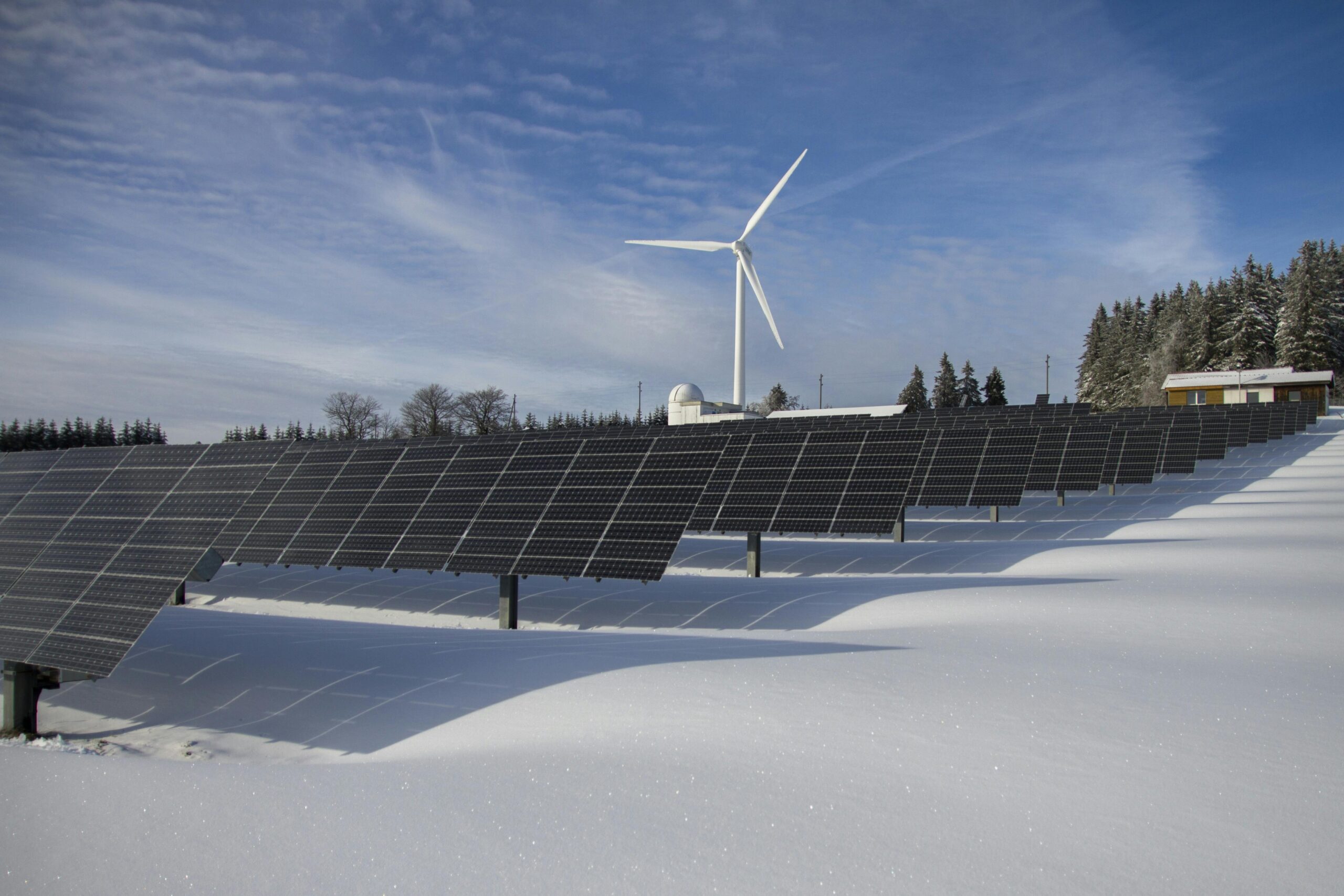
Solar panels actually perform better in the cold than in extreme heat. However, snow coverage can completely stop production until it melts.
If you have questions on any of these lesser-known issues with solar, please contact us with any questions or concerns.