A Homeowner’s Guide
Even if your roof isn’t “solar-poster-child perfect,” don’t worry—you’re probably not out of the game. The point of this guide is simply to show which roofs make solar easiest, not to tell you “yes” or “no.” A good solar company knows how to work with all roof types and will explain your options honestly.
The Gold Medal Winner: Standing Seam Metal Roofs
If roofs competed in the Solar Olympics, standing seam metal would take home the gold every time.
Why?
- Panels clamp right onto the seams—no holes in the roof.
- The roof lasts 40–70+ years, which easily outlives most equipment.
- It’s tough, cool (literally cool—great heat dissipation), and extremely leak-resistant.
If you’re building a home with solar in mind, this is the dream setup.
The Crowd Favorite: Composite/Asphalt Shingles
This is the “everybody’s best friend” of roofing.
Installers love it because:
- Hardware mounts easily
- Labor costs are lower
- It’s durable
- Flashing is simple
- Most installers work on shingle roofs every single day
If you have shingles, congratulations—your roof is basically solar’s comfort zone.
And if you don’t? No worries… you still have options.
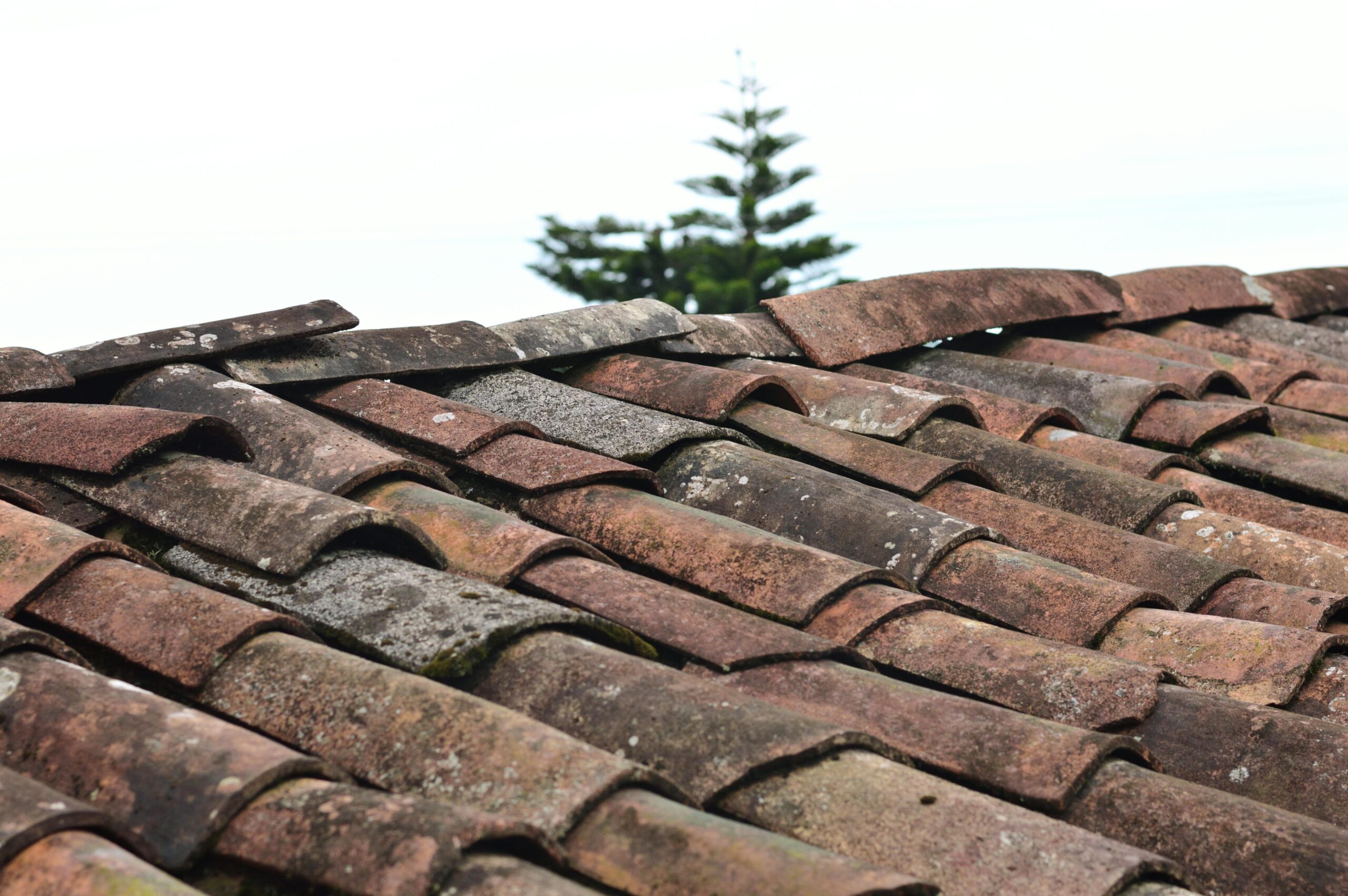
Tile Roofs (Clay/Concrete): Great, If the Installer Knows What They’re Doing
Tile roofs can hold solar beautifully, but this is not a beginner-friendly job.
A good installer will:
- Use the right replacement tiles or hooks
- Handle tiles gently (rookies break them… lots of them)
- Bring extra tiles because even pros know a few casualties are inevitable
The upside? Tile roofs last forever. The downside? Hire someone who actually knows tile.
Very Good Roofs: Metal Shingle or Metal Shake
These stone-coated metal roofs are strong, durable, and totally workable for solar. They’re just a bit trickier than asphalt, so again: experience matters.
Flat Roofs (EPDM, TPO, Built-Up): Surprisingly Flexible
Flat roofs don’t use roof penetrations—they use ballasted racks (weights). This means:
- Flexible panel layouts
- Easier maintenance
But…
- Your building must support the weight
- High-wind areas may require engineering
Still, flat roofs are very solar-friendly when done right.
Roofs That Work, but Are Harder
Wood Shake/Shingle
Possible, but:
- Fire codes may forbid it
- The surface is fragile
- Just walking on it can cause damage
A good installer will check local codes, warn you honestly, and sometimes even decline the job if it’s too risky.
Old or Worn-Out Roofs
You can put solar on it, but the roof may need replacing in 5–10 years. Removing and reinstalling panels later costs $3,000–$7,000, so it’s usually cheaper to reroof first.
The Toughest Roof Type of All: Slate
Slate roofs are beautiful… and also the final boss of solar installation.
Problems include:
- Extremely brittle
- Expensive to work on
- Requires a specialized crew
- Usually costs 2–3× more
- Many installers politely (or not-so-politely) refuse
If you have slate, make sure you hire someone very experienced—and honest.
The Real Solar Killer: Heavy Shading
Even with the perfect roof, shade from:
- Trees
- Chimneys
- Neighbor’s houses
- Dormers
…can drastically cut production.
A bad solar company will ignore this and install anyway.
A good company will assess shading honestly and show alternate design options—or tell you it’s not worth it.
North-Facing Roofs
Yes, you can install here with microinverters, but expect:
- 10–30% less production
- East/West to beat North almost every time
Bonus Factors: Orientation & Pitch
For maximum output, the ideal setup is:
- South-facing
- 25°–35° pitch
- Minimal shading
- A large, uninterrupted roof plane
East and West are still excellent options (only about 10–15% less production).
Final Tip: Your Installer Matters More Than Your Roof
Pay attention to how they talk.
- If everything is sunshine and rainbows → salesperson.
- If they explain risks, shading issues, structural concerns, and offer real solutions → installer you want.
Good installers tell the truth—even when the truth isn’t the easiest sale.