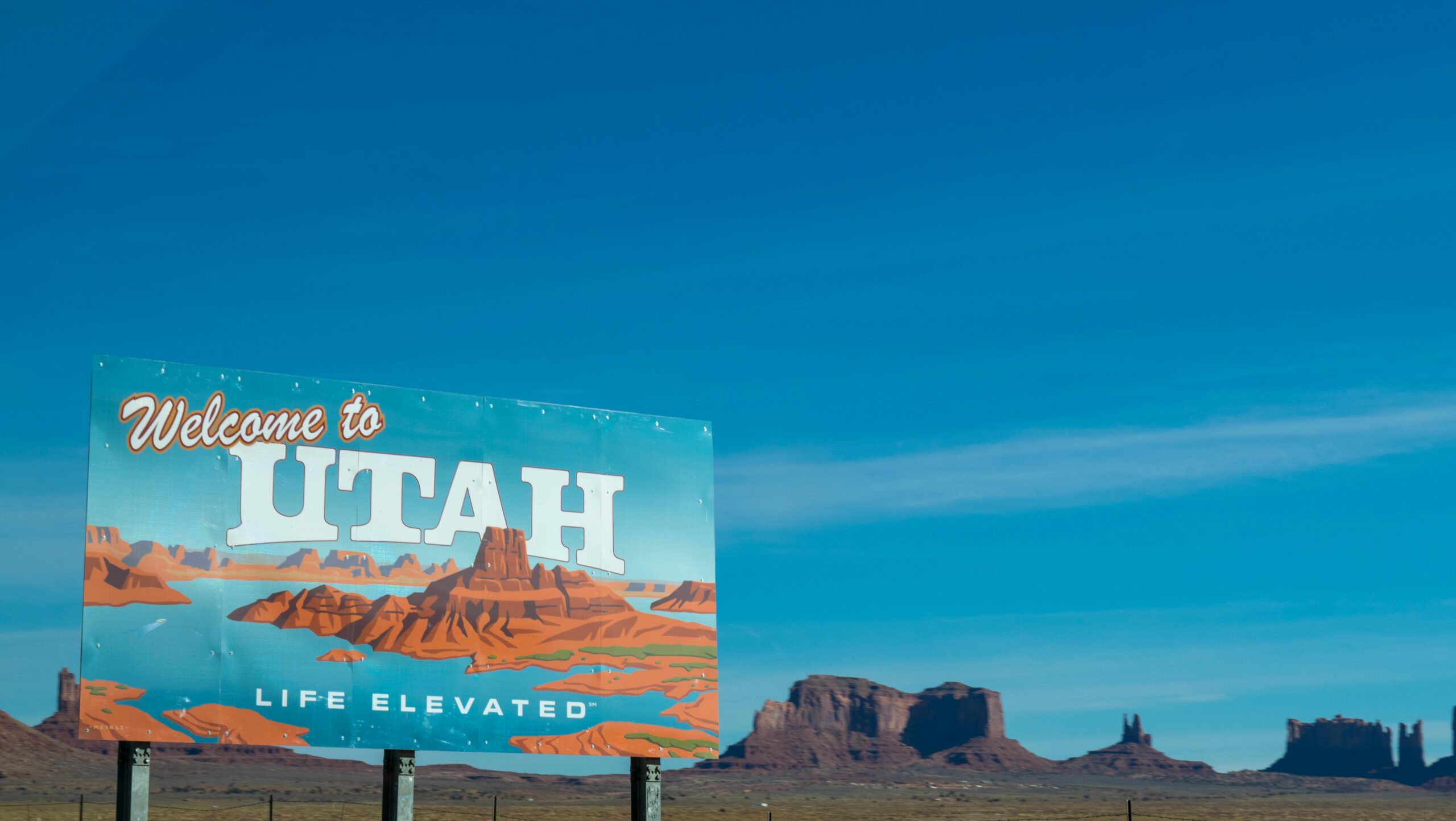

Endless Sunshine, Perfect Climate
Utah is basically built for solar. Think high desert skies, low humidity, and more clear days than you can count. Clouds? Rare. Rain? Infrequent. Translation: Utah gets straight, powerful sunlight with minimal interference.
And here’s the jaw-dropper: the Utah Renewable Energy Zone Assessment identified over 6,300 square miles of prime solar land with potential for a mind-blowing 826 gigawatts of capacity. That’s enough juice to power 620 million homes at once. Yep, Utah alone could outshine most of the world.
Big Power, Big Projects
Utah isn’t just talking about solar — it’s building it. Huge farms are already up and running, with more on the way. The Green River Energy Center in Emery County, for example, is rolling out 400 megawatts of solar plus battery storage to keep the lights on even after sunset. And that’s just one project. The state keeps stacking gigawatts onto the grid every year.
Solar’s Growing Slice of the Pie
By 2023, renewables (solar, wind, hydro) will already make up 15.5% of Utah’s electricity mix, and solar is the rising star. Every year, more panels are hitting rooftops and fields, and projections call for several more gigawatts in the near future. The curve is only going up.
Falling Costs + Smart Incentives
Ten years ago, solar was pricey. Today? The costs have dropped like a rock. Add in the federal Investment Tax Credit (ITC), and homeowners and businesses can slash upfront costs even further. Solar has never been more within reach.
Land, Glorious Land
One of Utah’s hidden advantages: wide-open spaces. Rural areas offer huge swaths of inexpensive land perfect for utility-scale solar farms. It’s like nature itself reserved Utah for a renewable revolution.
But Let’s Be Real — The Challenges
- Policy Curveballs: State-level incentives shift, net-metering rules can change, and credits for extra energy aren’t always guaranteed.
- Lower Power Bills: Utah’s already low electricity rates mean the financial payback on solar can take longer than in high-cost states.
- Grid Hurdles: Solar doesn’t shine at night. That means we need batteries or backup. Plus, transmission lines and permits can slow projects down.
- Upfront Cost: Even with incentives, going solar requires an investment that not everyone can easily swing.
The Bright Future
Despite the hurdles, the trajectory is clear: Utah is charging full speed into a solar future. More big solar + storage projects are lined up, renewable energy zones are mapped and ready, and costs keep falling.
With its unbeatable natural resources — endless sun, dry skies, high elevation, and wide-open land — Utah is one of the most promising solar hotspots in the country.
For homeowners and businesses, the window of opportunity is wide open. The only question is: are you ready to plug into Utah’s solar revolution?