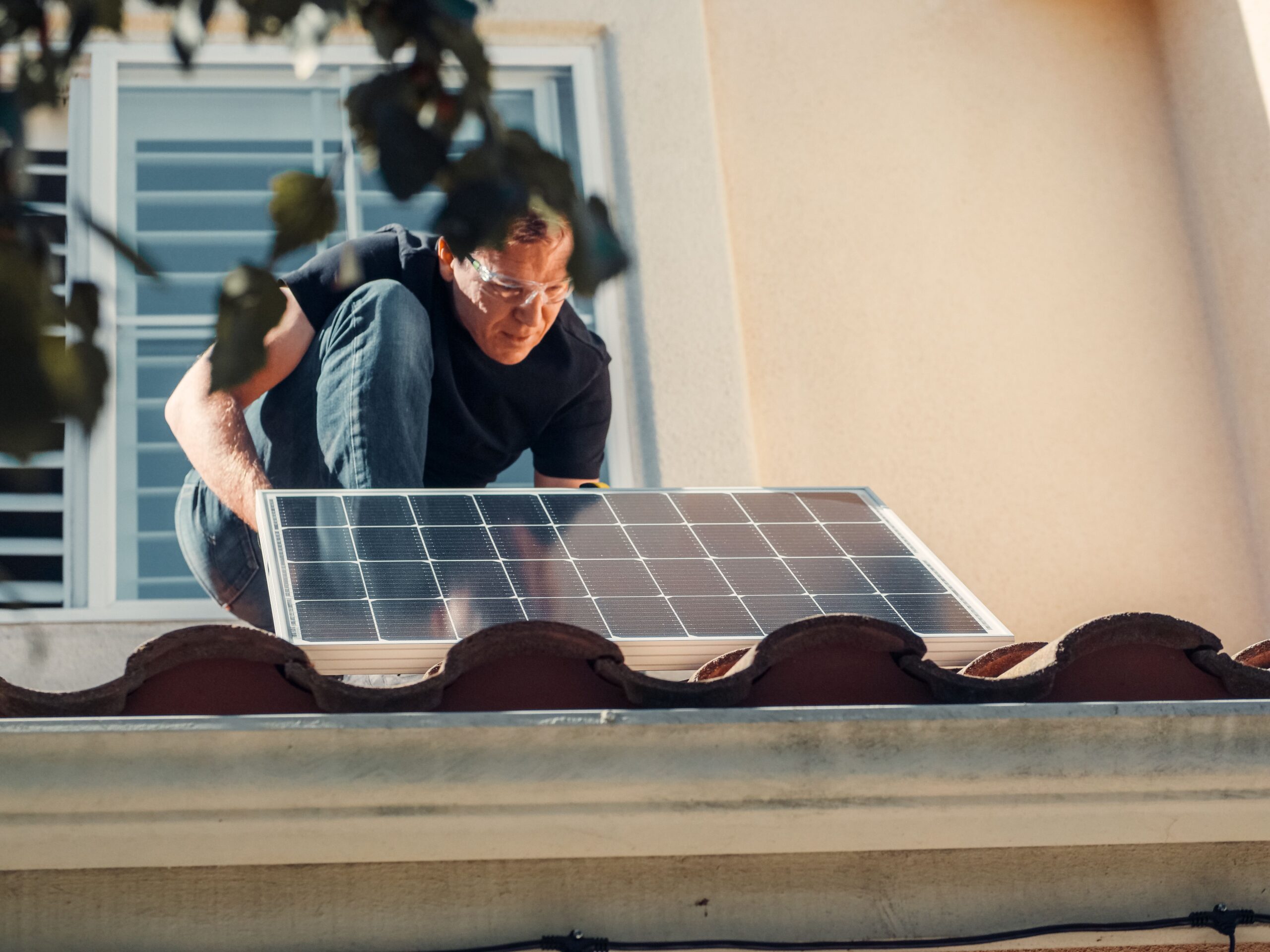
Ben Anderson and his BAPOWER team is NABCEP Certified
Choosing a solar company is about more than the price of the panels. It’s about the quality, safety, and long-term performance of the system installed on your home.
Installing solar panels is a significant investment. You want a system that is designed correctly, installed safely, and built to deliver reliable performance for years to come. But how can you tell whether the professionals working on your solar project have the knowledge and training necessary to do the job well?
One credential worth looking for is certification from the North American Board of Certified Energy Practitioners (NABCEP).
NABCEP is a widely recognized organization that establishes professional certification standards for the renewable energy industry. Its credentials help demonstrate that solar professionals have met specific requirements for knowledge, experience, and professional competence.
Here is why that matters when choosing a solar provider.
1. Confidence in Professional Knowledge and Training
Solar energy systems are more complex than simply placing panels on a roof. A successful installation requires knowledge of electrical systems, inverters, wiring, grounding, mounting equipment, and system performance.
A qualified solar professional must understand how these components work together to create a safe and effective system.
NABCEP certifications recognize professionals who have met the requirements for particular roles in the solar industry. Depending on the credential, this may include foundational solar knowledge, technical sales, system design, installation, or inspection.
When you choose a solar provider with appropriately credentialed professionals, you gain another reason to feel confident that your project is being handled by people who take their profession seriously.
2. Safety Comes First
Solar installations involve electrical equipment, rooftop work, and connections to your home’s electrical system. Mistakes can create safety hazards, damage property, or lead to costly repairs.
Proper training and knowledge of applicable codes and industry practices help solar professionals recognize potential problems and avoid preventable errors.
NABCEP certification supports professional competence in the areas covered by each credential. It is not a substitute for required licenses, permits, or inspections, but it can be an important part of evaluating a solar provider’s qualifications.
3. Better Planning for Long-Term Performance
A solar system is designed to produce electricity for many years. Its long-term value depends on more than the quality of the panels themselves.
Factors such as roof orientation, shading, system sizing, inverter selection, electrical design, and installation quality all influence performance.
Professionals with the appropriate training and experience are better equipped to evaluate these factors and make informed decisions about your system.
While no credential can guarantee a particular energy output or financial return, professional qualifications can help you make a more informed choice about who designs and installs your solar investment.
4. A Commitment to Professional Standards
Solar technology continues to evolve. Equipment changes, industry practices develop, and building and electrical requirements must be followed.
Professional certifications provide a way to recognize individuals who have met established standards for their particular area of work. Some NABCEP credentials also have ongoing requirements to maintain certification.
For customers, this is an additional indicator that a solar professional values industry knowledge, professional development, and accountability.
5. Not All Solar Certifications Are the Same
NABCEP offers different credentials for different roles in the solar industry. For example:
- PV Associate: Demonstrates foundational knowledge of solar photovoltaic technology and is often relevant for people entering the industry.
- PV Installation Professional (PVIP): Focuses on professional competence in solar photovoltaic installation.
- PV Technical Sales Professional (PVTS): Focuses on technical knowledge relevant to solar sales.
- PV Design Specialist (PVDS): Focuses on specialized solar system design knowledge.
- PV System Inspector (PVSI): Focuses on the knowledge needed to inspect solar photovoltaic systems.
The right credential depends on the work being performed. A technical sales professional and a solar installation professional have different responsibilities, so their qualifications should be evaluated accordingly.
When comparing solar providers, ask which team members hold certifications and how those credentials relate to the work they will perform on your project.
6. Certification Is One Part of Choosing the Right Solar Company
Although NABCEP certification is valuable, it should not be your only consideration when selecting a solar installer.
You should also ask about:
- Appropriate contractor and electrical licensing.
- General liability insurance and other relevant coverage.
- Installation experience and customer references.
- Equipment warranties and workmanship guarantees.
- Permitting, inspections, and utility interconnection.
- System production estimates and the assumptions behind projected savings.
A reputable solar provider should be willing to answer your questions and explain its qualifications clearly.
Remember, certification does not guarantee a flawless installation or a particular financial outcome. Instead, it provides an additional way to evaluate the knowledge and professional qualifications of the people responsible for your solar project.
Make an Informed Decision About Your Solar Investment
Your home is one of your most important investments, and a solar installation deserves careful consideration. Looking beyond the initial price to evaluate professional qualifications, installation practices, and long-term support can help you make a better-informed decision.
NABCEP certification is one important factor to consider when comparing solar providers. It offers a recognized way to evaluate professional knowledge and competence while helping you ask better questions about the people who will design, sell, install, or inspect your system.
Before signing a solar contract, take the time to understand your provider’s qualifications. A well-informed decision today can help you approach your solar investment with greater confidence for the years ahead.
Learn more about solar professional credentials at NABCEP.org.