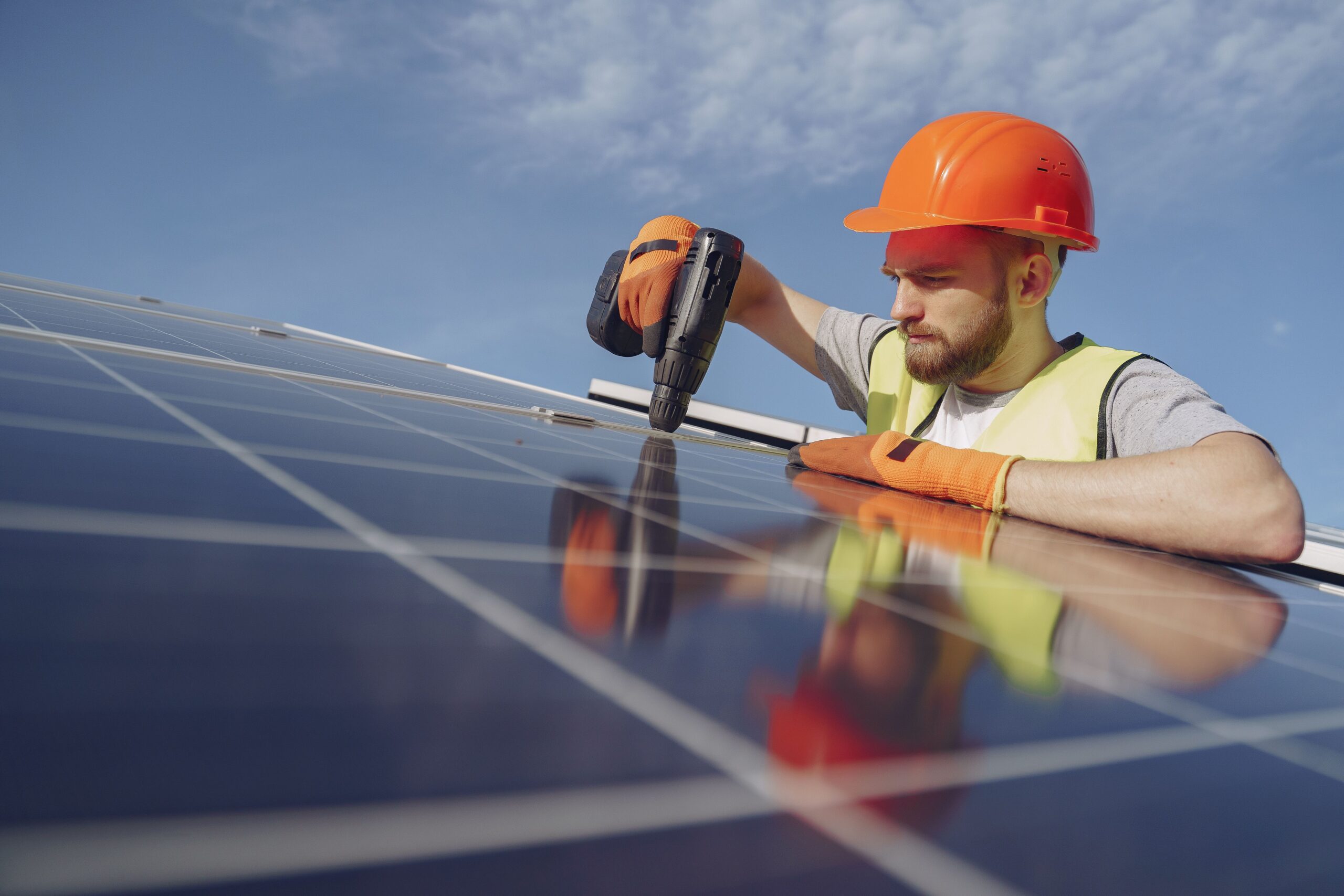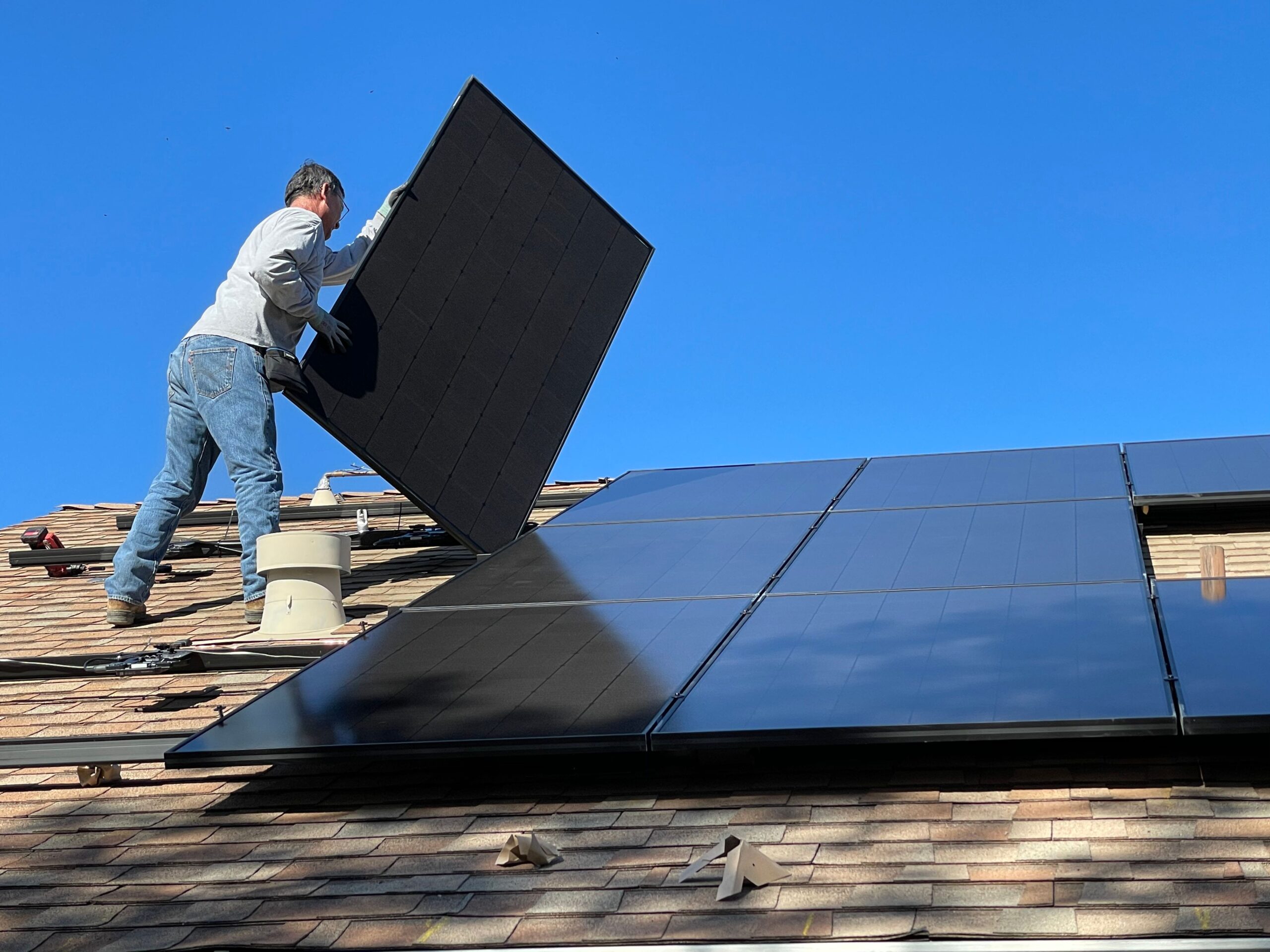
If you purchased solar panels without a cleaning or maintenance service, don’t worry! Keeping your solar panels clean is relatively simple, and this guide will help you understand how to do it safely and effectively. However, if you’re considering installing solar panels, it’s worth choosing a solar company that offers ongoing maintenance and cleaning services. Having a professional take care of your system can save you time, reduce the risks associated with rooftop maintenance, and help keep your investment in good working condition.
Why Is It Important to Clean Solar Panels?
Solar panels are designed to withstand the elements, and occasional rain showers can wash away much of the accumulated dust and debris. However, over time, dirt, pollen, bird droppings, leaves, and other environmental contaminants can build up on the glass surface.
This buildup can reduce the amount of sunlight reaching the solar cells, potentially affecting your system’s energy production. In areas with dry climates, like Utah, dust and mineral deposits can be particularly troublesome.
Regular inspections and occasional cleaning can help maintain your panels’ performance and extend the life of your solar investment.
How Often Should You Clean Solar Panels?
The frequency of cleaning depends on your location, weather conditions, and surrounding environment.
For most homeowners, cleaning once or twice a year is generally sufficient. However, you may need more frequent cleaning if you live near agricultural fields, construction sites, dusty roads, or areas with significant pollen.
Consider cleaning your panels when you notice:
- Visible layers of dust or dirt.
- Bird droppings or other stubborn debris.
- Leaves or other materials accumulating on the panels.
- An unexplained decrease in energy production.
Keep in mind that a decrease in production doesn’t necessarily mean dirty panels are the problem. Seasonal sunlight changes, shading, equipment issues, and other factors can also affect performance.
What You’ll Need to Clean Solar Panels
Fortunately, you don’t need expensive equipment or specialized chemicals to clean most residential solar panels.
Here are a few basic supplies:
- A garden hose with a gentle spray nozzle.
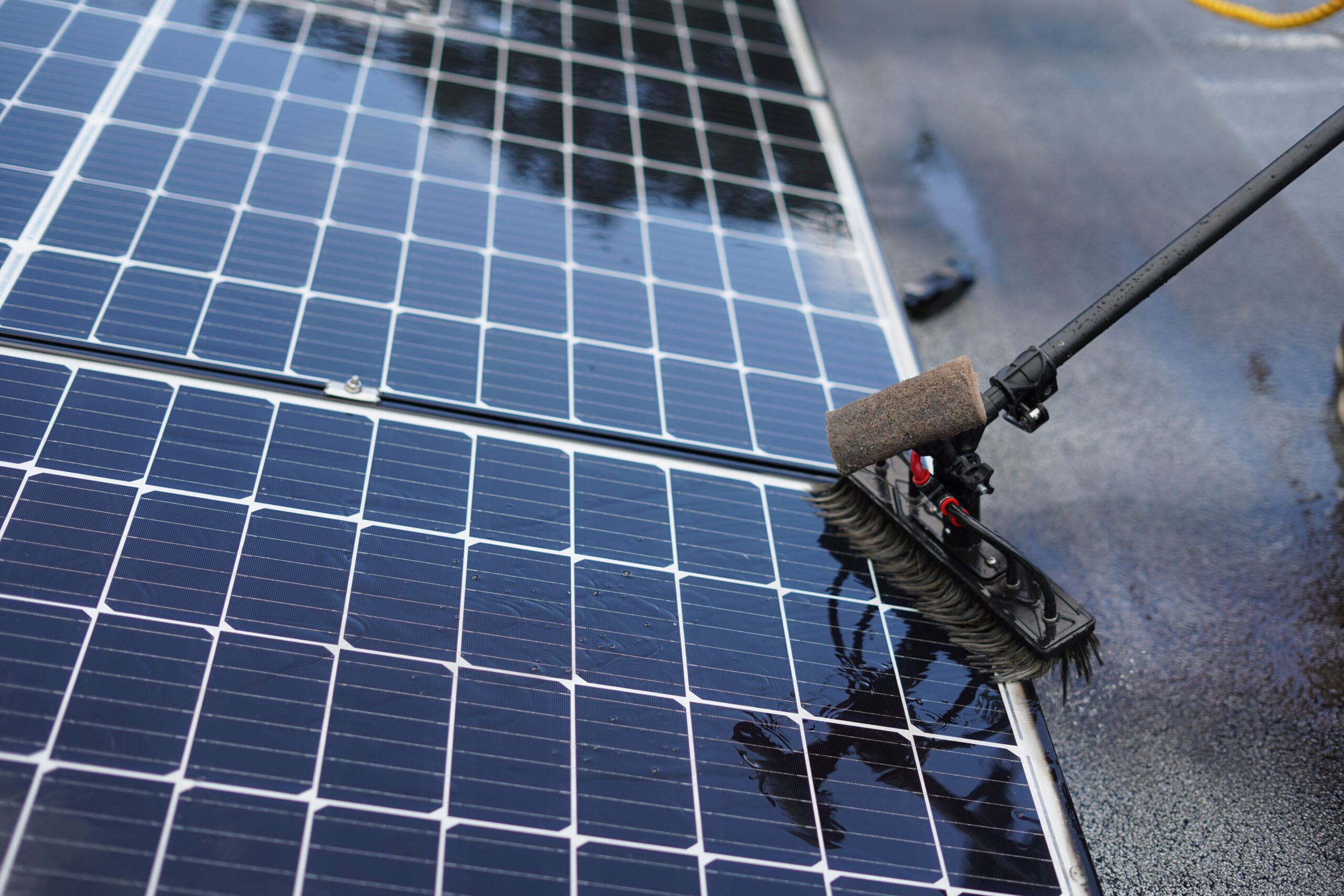
- A soft-bristle brush designed for solar panels.
- A microfiber cloth or soft sponge.
- An extension pole for reaching panels from the ground.
- Deionized or distilled water, if available, to help prevent mineral spotting.
Always check your solar panel manufacturer’s cleaning recommendations before getting started.
Step-by-Step Guide to Cleaning Solar Panels
1. Choose the Right Time
Clean your solar panels early in the morning or later in the evening when the panels are cool. Avoid cleaning them during the hottest part of the day. Applying cold water to hot glass can cause thermal stress.
2. Rinse Away Loose Dirt
Use a garden hose with gentle water pressure to rinse away loose dust, dirt, and debris. Avoid pressure washers, which can damage seals or other components.
3. Gently Remove Stubborn Dirt
If dirt remains, use a soft-bristle brush or microfiber cloth to gently clean the glass surface. Avoid abrasive materials, rough scrubbing, or anything that could scratch the panels.
4. Rinse the Panels Again
After removing the dirt, rinse the panels with clean water. Deionized or distilled water is preferable because it helps prevent mineral deposits and water spots, particularly in areas with hard water.
5. Allow the Panels to Dry
If you’ve used deionized water, you can generally allow the panels to air dry. If you notice remaining water spots, follow your manufacturer’s recommendations for removing them.
What Should You Avoid When Cleaning Solar Panels?
While solar panels are built to withstand outdoor conditions, improper cleaning can cause unnecessary damage.
Avoid the following:
- Pressure washers: High-pressure water can damage seals and electrical connections.
- Abrasive cleaning tools: Rough brushes, scouring pads, and abrasive materials can scratch the glass.
- Harsh chemicals: Bleach, solvents, and strong detergents may damage panel surfaces or coatings.
- Hard water buildup: Mineral-heavy water can leave deposits on the glass.
- Walking on panels: Solar panels are not designed to support a person’s weight.
Also, remember that solar panels can continue producing electricity whenever they’re exposed to sunlight. Follow your system manufacturer’s safety instructions before performing maintenance.
When Should You Hire a Professional?
Not every homeowner should attempt to clean their own solar panels. If your panels are installed on a steep roof, are difficult to access, or require specialized equipment to reach safely, hiring a professional is the better option.
A professional solar maintenance company can also inspect your system for visible damage, loose connections, and other potential issues while performing routine cleaning.
If your solar installation company offers a cleaning or maintenance plan, take advantage of it. Having professionals periodically inspect and maintain your system can provide additional peace of mind.
Keep Your Solar Investment Working for You
Solar panels are a long-term investment, and a little preventative maintenance can go a long way toward protecting that investment. Although rain naturally cleans away some dirt and debris, periodic inspections and occasional cleaning can help keep your panels operating efficiently.
If you’re considering going solar, don’t focus exclusively on installation costs and energy savings. Ask potential installers whether they offer ongoing maintenance, inspections, and panel cleaning services.
Choosing a company that stands behind its installation and provides support long after the initial installation can make owning solar panels a much easier experience.