Installing solar panels is a major investment. For many homeowners, it represents tens of thousands of dollars and a commitment to producing their own electricity for decades. While the quality of the solar panels, inverters, and batteries matters, there’s another important factor that often gets overlooked: the qualifications of the professionals designing and installing your system.
That’s where NABCEP comes in.
The North American Board of Certified Energy Practitioners (NABCEP) provides professional credentials and certifications for individuals working in renewable energy. Its credentials help consumers identify solar professionals who have demonstrated industry knowledge, experience, and a commitment to professional standards.
But what does NABCEP certification actually mean for homeowners, and why should it influence your decision when choosing a solar company?
What Is NABCEP?
NABCEP is an independent organization that develops professional certification programs for the renewable energy industry, including solar photovoltaic (PV) systems.
Rather than simply allowing anyone to purchase a membership badge, NABCEP establishes education, experience, examination, and professional conduct requirements for its credentials.
These qualifications help distinguish professionals who have demonstrated their knowledge from individuals who may have limited training or experience.
There are different levels of NABCEP credentials, including entry-level Associate credentials and advanced Board Certifications.
Some of the professional certifications include:
- PV Installation Professional: Focuses on the installation of solar photovoltaic systems.
- PV Technical Sales Professional: Demonstrates knowledge of solar technology and the technical aspects of selling solar systems.
- PV System Inspector: Focuses on inspecting solar installations.
- PV Design Specialist: Demonstrates specialized knowledge of solar system design.
- PV Installer Specialist: Recognizes specialized installation knowledge and skills.
Each credential has its own requirements, so homeowners should pay attention to which certification a professional actually holds.
Five Ways NABCEP Credentials Benefit Homeowners
1. Better-Informed Solar System Design
A solar system needs to be designed around the specific characteristics of your home.
That includes evaluating your electricity consumption, roof orientation, available space, shading, electrical equipment, and future energy needs.
An improperly designed system could produce less electricity than expected or cost more than necessary.
A qualified solar professional understands how these factors influence system performance and can help homeowners make informed decisions about system size, equipment selection, and battery storage.
2. Greater Confidence in Installation Quality
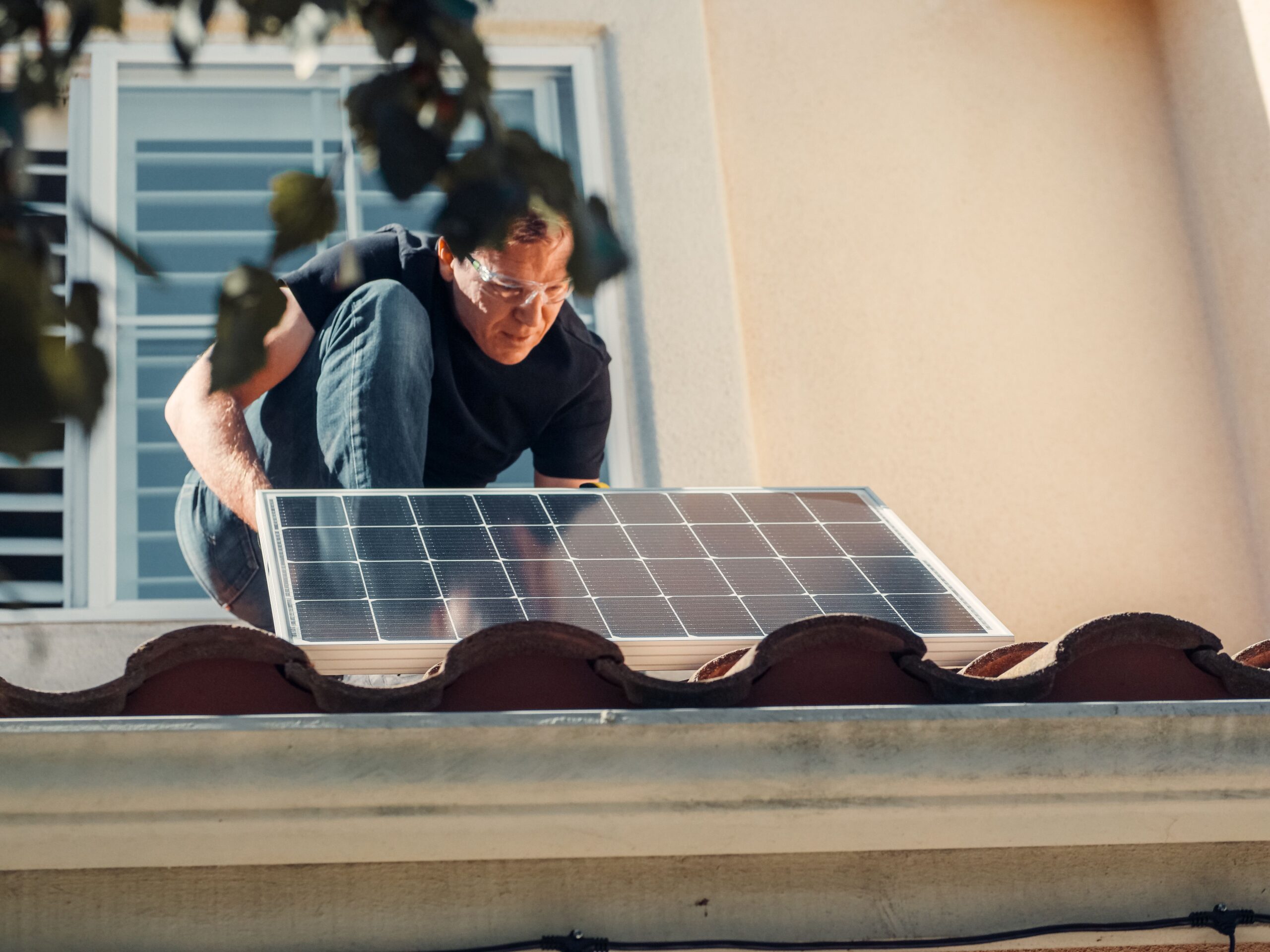
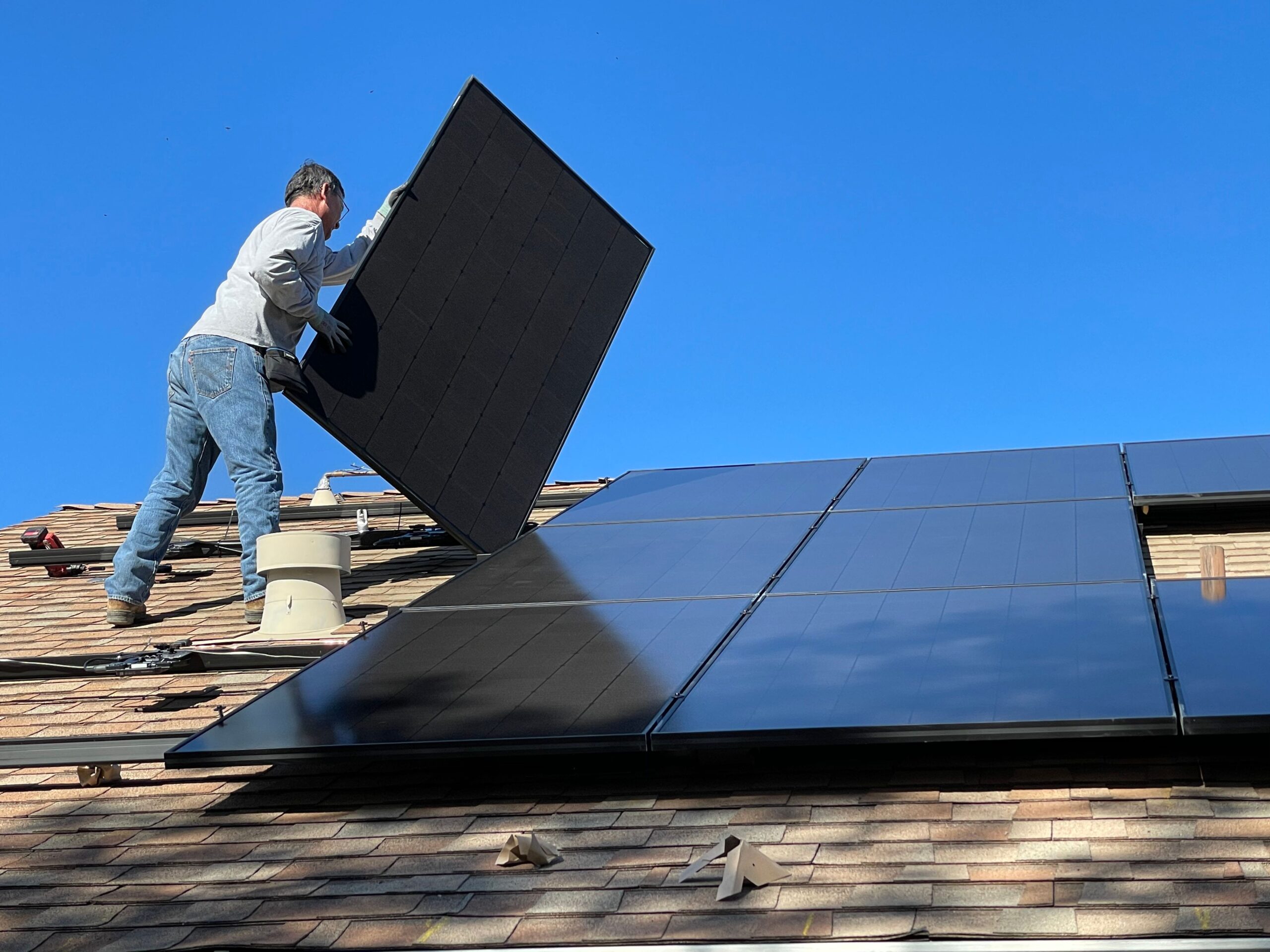
Solar installation involves considerably more than attaching panels to a roof.
It requires knowledge of electrical wiring, mounting systems, roof penetrations, grounding, and applicable building and electrical codes.
Professional training and certification help demonstrate that an installer understands these responsibilities.
A properly installed system is important not only for energy production but also for protecting your roof, electrical equipment, and home.
3. A Better Understanding of Electrical Safety
Solar panels generate electricity whenever exposed to sunlight. Solar installations also involve electrical components that must be properly installed, protected, and maintained.
Understanding electrical safety is essential.
Qualified professionals should understand:
- Electrical shock and fire prevention.
- Proper grounding and bonding.
- Equipment protection.
- Safe system shutdown procedures.
- Applicable electrical codes and safety requirements.
These aren’t minor technical details. They’re essential parts of a safe solar installation.
4. More Informed Purchasing Decisions
The solar industry includes companies with different levels of experience, training, and technical expertise.
Some companies emphasize sales, while others invest heavily in technical education and professional development.
NABCEP credentials give homeowners another way to evaluate the qualifications of the people working on their projects.
Instead of relying entirely on a salesperson’s promises, consumers can look for independently verified professional qualifications.
5. Professional Accountability
NABCEP-certified professionals agree to follow professional ethical standards and maintain their credentials through applicable continuing education and renewal requirements.
This demonstrates a commitment to professional development and responsible industry practices.
It also gives consumers an additional level of confidence when evaluating the people they trust with their solar investment.
Does NABCEP Certification Guarantee a Good Solar Installation?
It’s important to understand what NABCEP certification does and doesn’t mean.
NABCEP credentials demonstrate that an individual has met specific professional requirements. However, they aren’t a guarantee that every project will be perfect.
For example, certification doesn’t automatically guarantee:
- The lowest installation price.
- A specific level of energy production.
- That equipment will never fail.
- That an installation will be completed without problems.
- That a company has the appropriate state and local contractor licenses.
NABCEP certification also doesn’t replace applicable contractor licensing, permits, inspections, or manufacturer warranties.
Think of it as another important qualification to consider when evaluating a solar company, not a substitute for doing your homework.
Questions to Ask a Solar Company Before Signing a Contract
When comparing solar installers, don’t be afraid to ask about their professional qualifications.
Here are five questions worth asking:
- Do you employ NABCEP Board Certified professionals? Find out which employees hold certifications and what those certifications are.
- Who designs my solar system? Ask whether a qualified solar professional reviews the technical design.
- Who supervises the installation? Understand who is responsible for overseeing the electrical and physical installation.
- Can I verify your employees’ credentials? Ask for names and credential information so you can confirm their qualifications.
- Is your company NABCEP accredited? Individual certification and company accreditation are two different things.
A company shouldn’t claim to be NABCEP certified simply because one employee holds an individual credential. Homeowners deserve to know exactly which professionals are certified and what role they play in the project.
Individual Certification vs. Company Accreditation
There’s another distinction worth understanding.
NABCEP offers individual professional credentials as well as an accreditation program for companies.
Individual certification recognizes the qualifications of a particular professional. Company accreditation evaluates an organization’s practices against established quality standards.
These are different forms of recognition.
A company employing NABCEP-certified professionals may have valuable technical expertise even if the organization itself isn’t accredited. Conversely, company accreditation provides a broader indication of an organization’s commitment to quality.
Both are worth considering when comparing solar providers.
Your Solar Investment Deserves Qualified Professionals
Choosing solar isn’t just about finding the cheapest panels or the lowest monthly payment. It’s about investing in an electrical system that will serve your home for many years.
The equipment matters, but so do the people who design, install, and maintain it.
NABCEP credentials provide homeowners with an additional way to evaluate professional qualifications and distinguish knowledgeable solar professionals from less-qualified competitors.
Before signing a solar contract, take the time to ask about certifications, experience, licensing, warranties, and installation practices.
A well-designed solar system starts with knowledgeable professionals. Making sure the people working on your home have the right qualifications is an important step toward protecting your investment.
To learn more about professional credentials and certification requirements, visit the official NABCEP website.