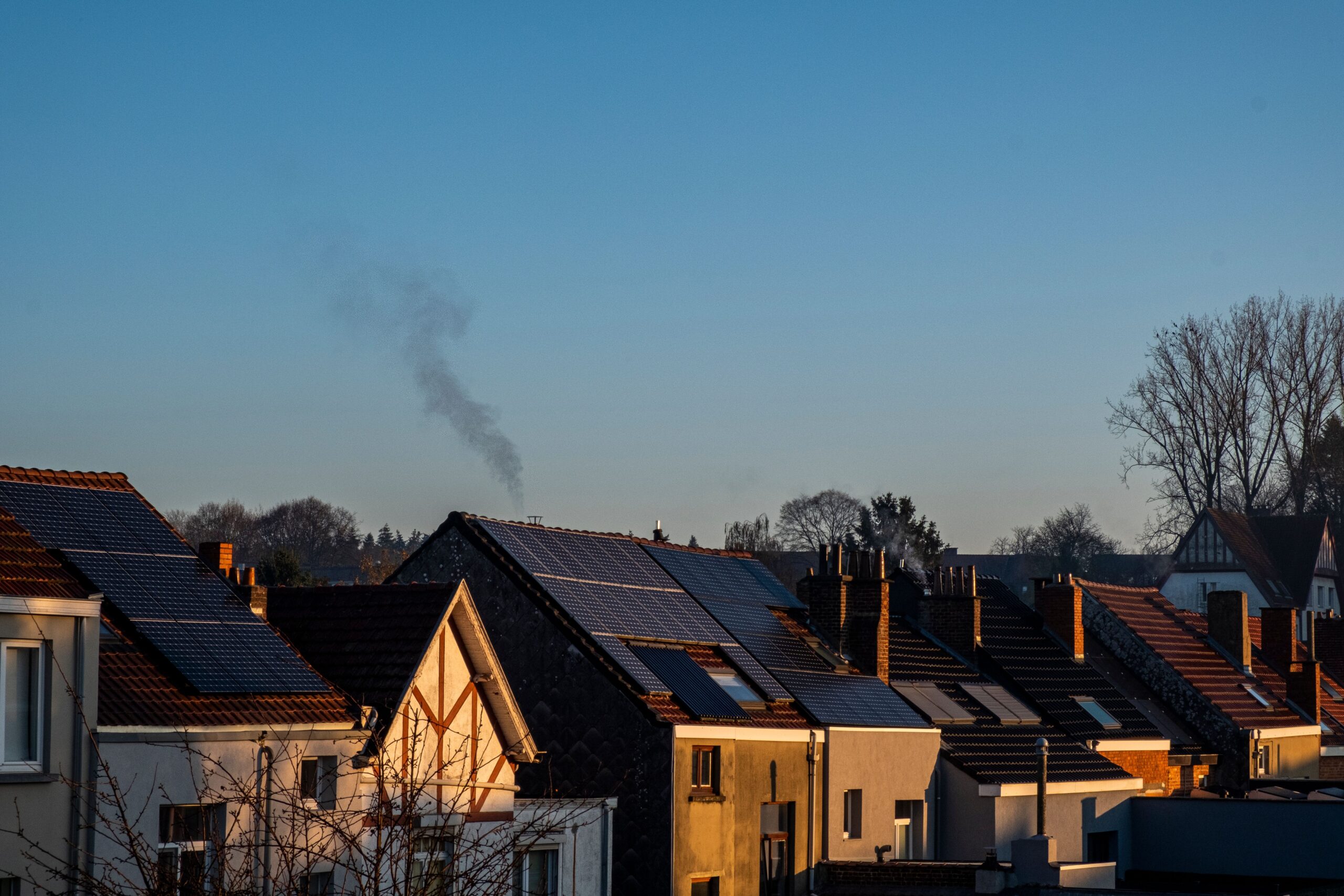
A fully solar-powered residential America sounds like a clean energy dream: lower bills, cleaner air, and energy independence. But the real-world outcome would be a mix of massive benefits and serious infrastructure challenges.
If every suitable home in the United States installed rooftop solar panels, the country’s energy landscape would change faster than the grid was originally designed to handle. While the environmental and economic upside would be significant, the transition would expose key limitations in storage, distribution, and utility structure.
Massive Drop in Carbon Emissions
The biggest immediate impact would be a steep reduction in greenhouse gas emissions. Electricity generation is one of the largest sources of carbon pollution in the U.S., primarily from coal and natural gas plants. Replacing a large share of that demand with solar power would dramatically reduce emissions and improve air quality nationwide.
Lower Bills, Higher Energy Independence
Homeowners would see long-term reductions in electricity costs, with many producing most or even all of their daytime energy needs. Over time, this would also reduce dependence on imported fuels and insulate households from volatile energy prices.
A Strain—and Opportunity—for the Grid
The current electrical grid was designed around centralized power plants pushing electricity outward. A fully solar home-based system flips that model into a decentralized network.
That shift would require:
- Advanced smart grid controls
- Major upgrades to transformers and distribution lines
- Widespread adoption of home and community battery storage
Without these changes, the system would struggle to manage two extremes: too much electricity during sunny midday hours and not enough after sunset.
The Storage Problem: Solar’s Biggest Limitation
Solar power is abundant during the day but unavailable at night. Even with every home generating power, the U.S. would still need backup systems such as:
- Utility-scale battery farms
- Hydroelectric storage
- Nuclear and natural gas peaker plants
- Regional power sharing across states
The future grid would not be “solar-only,” but solar-centered with multiple supporting technologies.
Uneven Benefits Across States
Solar productivity varies widely by geography. States like Utah and Arizona would generate far more energy than places with frequent cloud cover or long winters like Washington or Alaska. This imbalance would require stronger interstate energy sharing and storage infrastructure.
The Real Outcome: Surplus Energy and a New Grid Era
If every home in America installed solar, the nation wouldn’t face an energy shortage—it would likely face a midday energy surplus problem. The biggest challenge wouldn’t be generating electricity, but storing and moving it efficiently.
This transformation would accelerate innovation in batteries, smart grids, and distributed energy systems, reshaping how electricity is produced and consumed for generations.