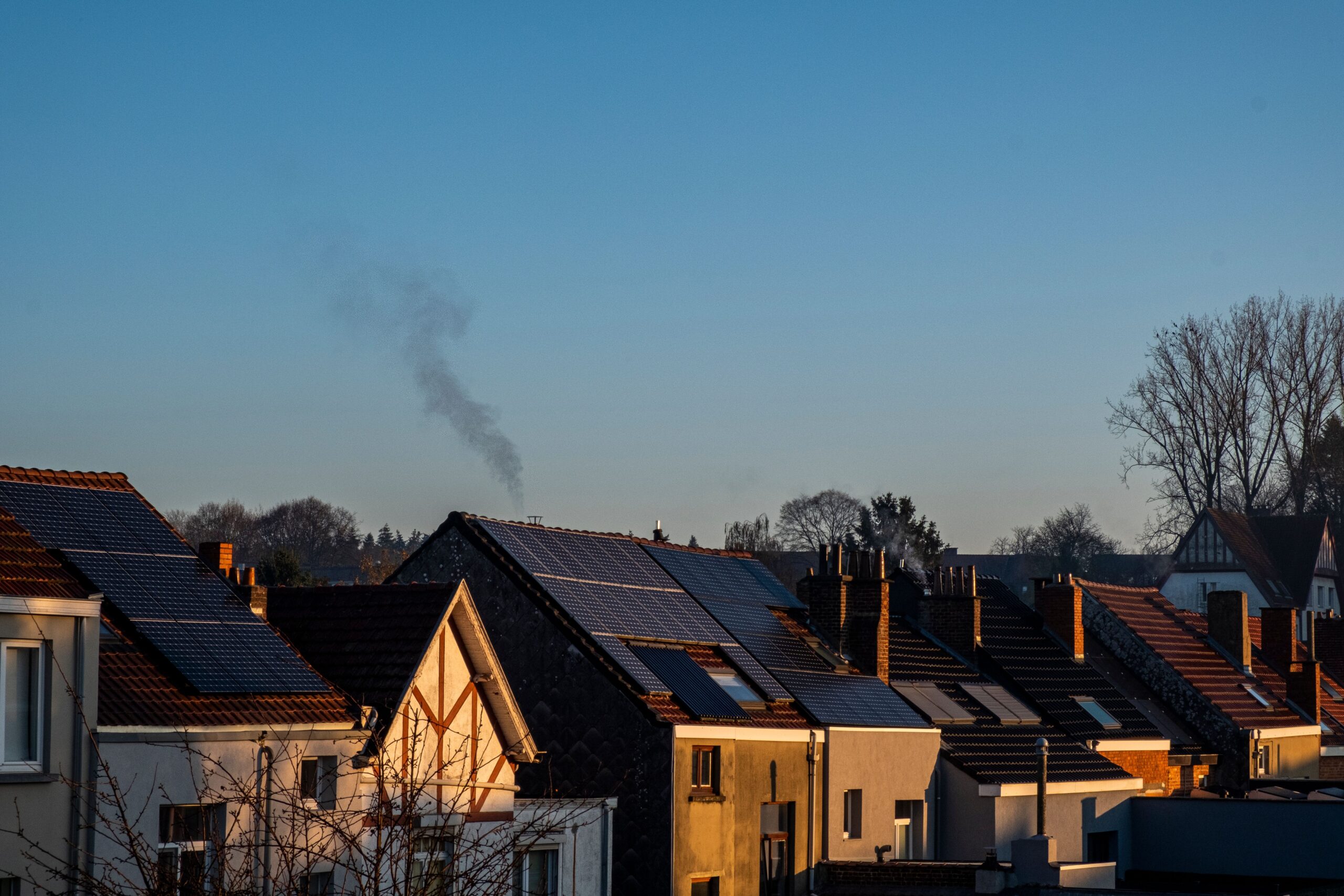

What If Every Building in America Had Solar Panels?
Imagine looking across the United States and seeing solar panels on nearly every rooftop—homes, schools, warehouses, office buildings, churches, and shopping centers. It may sound like science fiction, but advances in solar technology and falling installation costs have made this scenario increasingly possible.
So, what would happen if every residential and commercial building in America went solar? Would we still need power plants? How would the economy change? And what would it mean for rapidly growing industries like artificial intelligence and data centers?
The answer is both exciting and complex.
A Massive Reduction in Carbon Emissions
One of the most immediate benefits would be a dramatic reduction in greenhouse gas emissions.
Electricity generation remains one of the largest sources of carbon emissions in the United States. If millions of buildings generated their own clean electricity, the nation could significantly reduce its dependence on coal and natural gas-fired power plants.
The environmental benefits would include:
- Cleaner air and reduced pollution
- Lower rates of asthma and respiratory illness
- Reduced greenhouse gas emissions
- Less water consumption from power generation
- Greater energy independence
Western states such as Utah could especially benefit from reduced water usage, as traditional power plants consume enormous amounts of water for cooling.
Would We Still Need Power Plants?
Yes—absolutely.
A common misconception is that solar panels alone can power an entire country. While solar can provide a substantial amount of electricity, it cannot generate power at night or during prolonged cloudy periods, snowstorms, or wildfire smoke events.
America would still require:
- Utility-scale battery storage systems
- Hydroelectric facilities
- Geothermal power plants
- Nuclear power plants
- Backup natural gas generation
In fact, a future dominated by solar energy would likely increase the importance of nuclear power because it provides reliable, around-the-clock electricity regardless of weather conditions.
The future electric grid would be less about replacing all power plants and more about creating a balanced mix of renewable and reliable energy sources.
A Major Economic Transformation
Installing solar on every residential and commercial building would trigger one of the largest infrastructure projects in American history.
Industries That Would Boom
Several sectors would experience enormous growth:
- Solar installation companies
- Electrical contractors
- Battery manufacturers
- Construction firms
- Software companies managing the electric grid
- Manufacturers of electrical equipment
Demand for raw materials would also rise significantly, particularly for:
- Copper
- Aluminum
- Silver
- Lithium
- Nickel
Millions of jobs could be created in manufacturing, installation, maintenance, engineering, and energy management.
Industries That Would Face Challenges
Not every industry would benefit.
The following sectors could experience declining demand:
- Coal mining
- Some natural gas producers
- Traditional fossil-fuel power generation
- Certain segments of the oil industry
However, many energy companies are already diversifying and investing in renewable technologies and battery storage.
Lower and More Stable Electricity Prices
Solar energy has one major advantage over traditional fuels: sunlight is free.
Once solar panels are installed, they generate electricity without requiring fuel purchases. This could help stabilize electricity prices and reduce exposure to natural gas price spikes or international energy disruptions.
However, the transition would require trillions of dollars in infrastructure investment, including:
- New transmission lines
- Battery storage facilities
- Grid modernization projects
- Smart energy management systems
The long-term payoff could be lower and more predictable energy costs for consumers and businesses.
How Would Utilities Change?
Electric utilities would not disappear.
Instead, their role would evolve dramatically.
Utilities would increasingly become:
- Grid operators
- Energy balancing authorities
- Storage managers
- Operators of large transmission networks
Rather than generating all electricity at centralized power plants, utilities would coordinate millions of small power producers spread across the country.
Every rooftop could effectively become a miniature power plant.
What About Data Centers and Artificial Intelligence?
This is where things become particularly interesting.
Modern data centers consume extraordinary amounts of electricity. Some large facilities use as much power as an entire city.
Artificial intelligence is accelerating electricity demand even further.
Although data centers can benefit from solar energy, rooftop panels alone cannot meet their enormous, around-the-clock power requirements.
Solar Can Help By:
- Lowering daytime energy costs
- Reducing peak electricity demand
- Supporting microgrids and battery systems
But Data Centers Still Need:
- Reliable 24-hour electricity
- Backup generation
- Large-scale energy storage
- Utility-scale power plants
This is one reason why many technology companies are investing in nuclear energy and other forms of dependable generation alongside solar projects.
Could the Grid Become More Reliable?
The answer is both yes and no.
Potential Benefits
- More distributed power generation
- Less dependence on a few large power plants
- Improved local resilience during outages
- Greater energy independence for communities
Potential Challenges
- Solar production varies with weather conditions
- Increased complexity in grid management
- Greater need for advanced energy storage systems
- Significant investments in transmission infrastructure
The grid of the future would likely be smarter, more decentralized, and more technologically advanced than today’s system.
What Would It Mean for Utah?
Utah is particularly well-positioned for solar energy because of its abundant sunshine.
A widespread transition to rooftop solar could provide:
- Lower electricity costs
- Reduced summer pollution
- Greater energy independence
- Reduced water consumption
- Economic growth and new jobs
However, Utah’s cold winters and nighttime energy demands mean that natural gas, hydroelectric power, geothermal energy, batteries, and potentially nuclear power would still play important roles.
The Bottom Line
If every residential and commercial building in America installed solar panels, the country could generate an enormous amount of clean electricity directly where it is consumed.
The result would likely include:
- Dramatically lower carbon emissions
- Cleaner air and reduced water consumption
- Millions of new jobs
- More stable electricity prices
- A more decentralized and resilient electric grid
Yet America would still need power plants, particularly nuclear, hydroelectric, geothermal, and energy storage facilities to provide reliable electricity when the sun is not shining.
The future of American energy is unlikely to be “all solar” or “all nuclear.” Instead, it will probably be a carefully balanced partnership between distributed solar generation and reliable, around-the-clock power sources that keep homes, businesses, and data centers running every hour of every day.