Choosing a solar company is about more than comparing panel prices and estimating how much you could save on your electricity bill. A solar installation is a significant investment in your home, and the quality of the installation can have lasting consequences.
One way to evaluate a solar contractor is to look for three important qualifications: NABCEP certification, bonding, and insurance.
Each serves a different purpose, helping demonstrate professional expertise, financial accountability, and protection against unexpected problems.
Here’s what these qualifications mean and why they matter when choosing a solar installer.
1. NABCEP Certification: Demonstrating Professional Expertise
The North American Board of Certified Energy Practitioners (NABCEP) is one of the solar industry’s most respected professional credentialing organizations.
NABCEP offers certifications for professionals working in solar energy and related renewable energy fields. These credentials demonstrate that an individual has met specific requirements for technical knowledge and professional experience.
Why does this matter to homeowners?
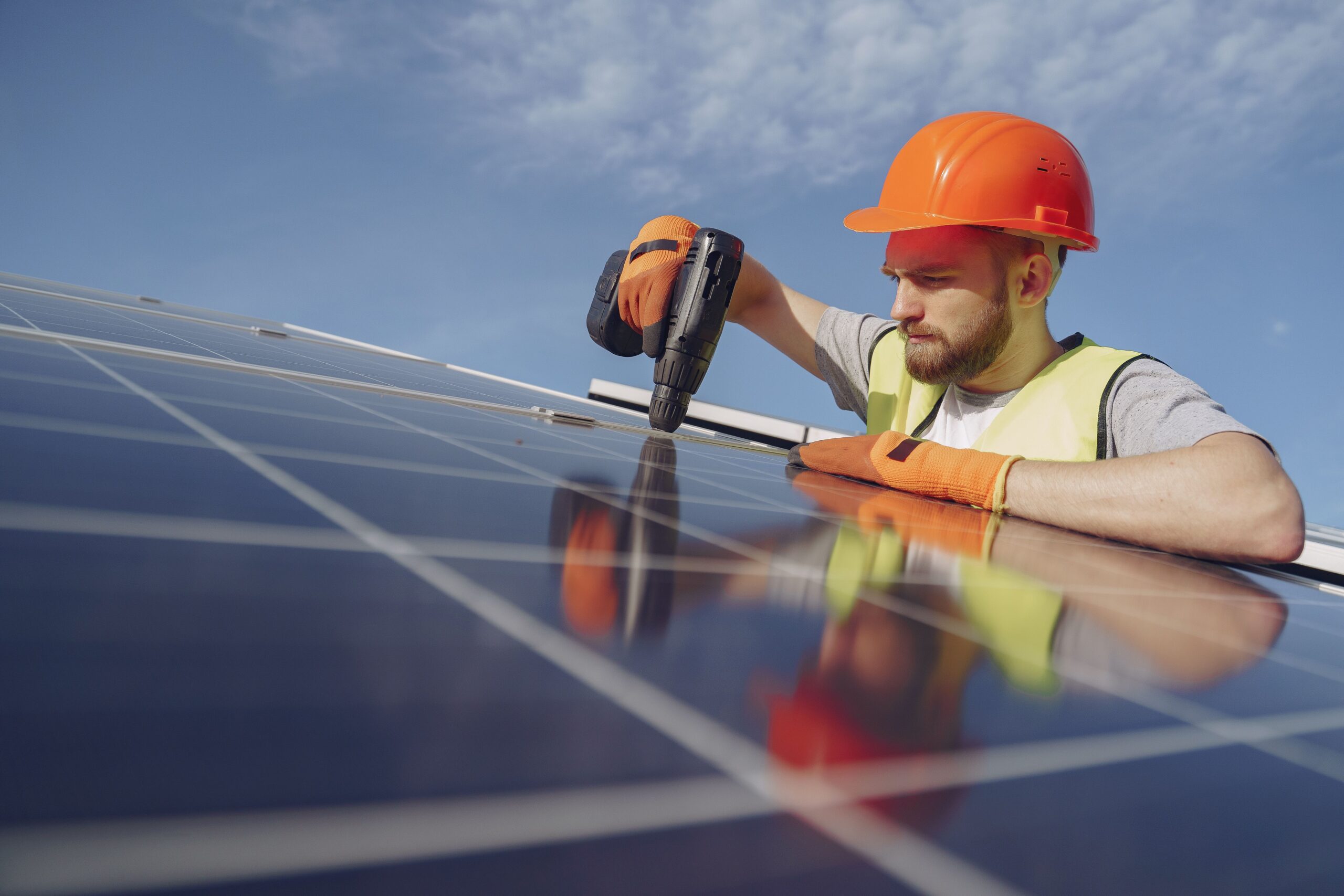
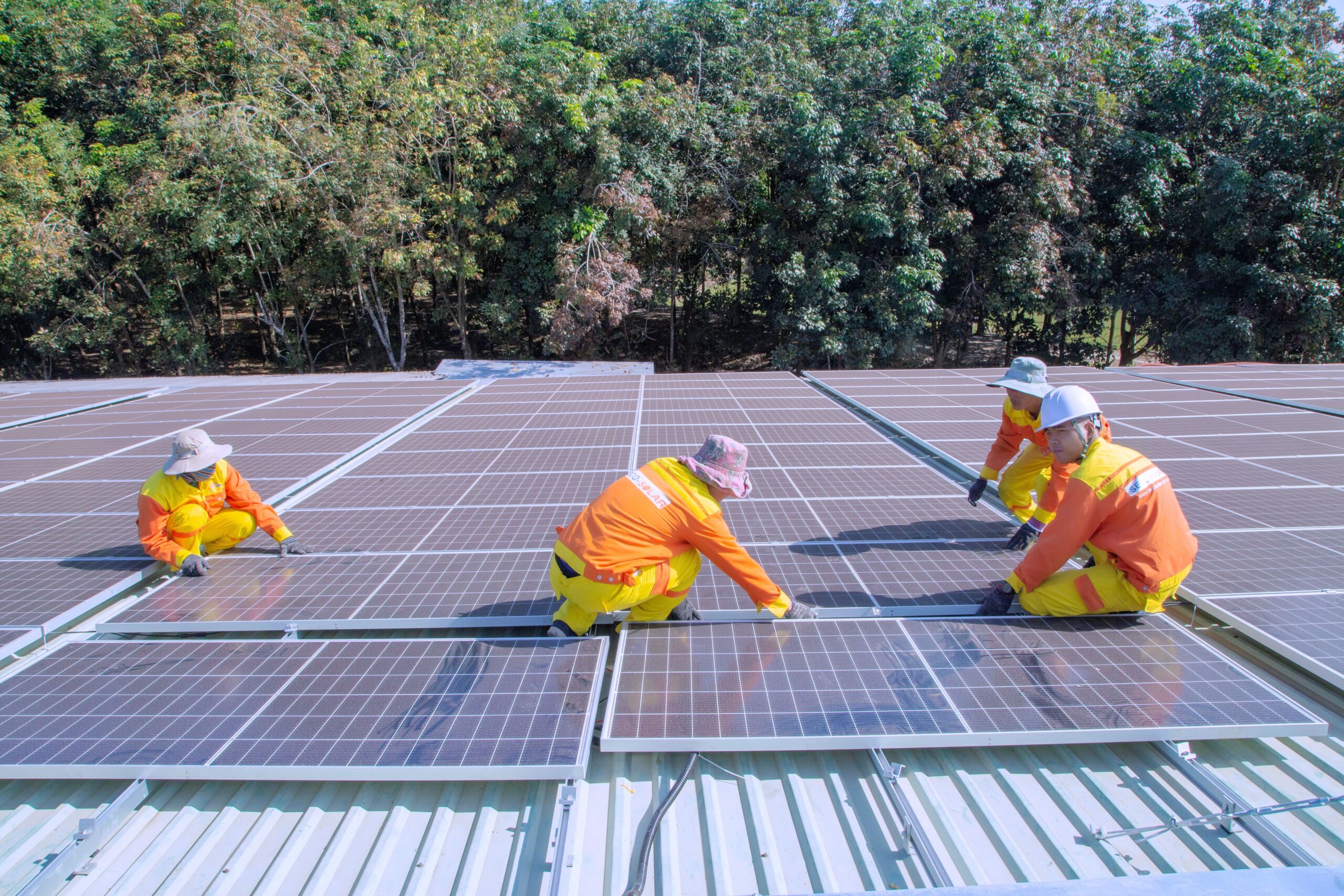
Solar installation involves much more than attaching panels to a roof. A properly designed and installed system requires knowledge of:
- Electrical systems, wiring, and safety requirements.
- Solar panel placement and system performance.
- Inverter selection and configuration.
- Roof mounting, flashing, and waterproofing.
- Applicable building and electrical codes.
- System testing and commissioning.
Working with appropriately qualified professionals helps reduce the risk of installation mistakes, electrical problems, and avoidable performance issues.
It’s worth noting that NABCEP primarily certifies individuals, not entire companies. Ask which members of the installation team hold NABCEP credentials and what certifications they have earned.
2. Bonded: An Additional Layer of Financial Protection
When a solar company is bonded, it means the business has obtained a surety bond through a bonding company.
A surety bond provides a financial guarantee that the contractor will meet certain obligations, which may include contractual, licensing, or regulatory requirements.
For example, if a contractor abandons a project or violates an obligation covered by its bond, an affected customer may be able to file a claim.
The bonding company investigates the claim and, if it is valid and covered, may provide compensation up to the bond’s limit. The bonding company can subsequently seek reimbursement from the contractor.
This is particularly important for solar installations because homeowners may be committing thousands of dollars toward equipment, labor, and other project expenses.
Being bonded doesn’t guarantee that every customer complaint will be covered. The type of bond, its limits, and its specific terms determine what protection is available.
Nevertheless, bonding provides an additional level of accountability.
3. Insured: Protection When the Unexpected Happens
Solar installation involves working on rooftops, handling electrical equipment, and making modifications to a home’s existing structure and electrical system.
Even experienced contractors can encounter unexpected accidents. Proper insurance helps protect homeowners and contractors from certain financial liabilities.
There are several types of insurance worth looking for:
General Liability Insurance
Helps protect against covered claims involving property damage or bodily injury resulting from the company’s business operations.
For example, if an installation crew accidentally damages your roof or causes other property damage, general liability insurance may help cover the resulting costs.
Workers’ Compensation Insurance
Helps cover eligible medical expenses and lost wages when employees are injured while performing their jobs.
Roof work and electrical installation carry occupational risks, making this coverage particularly important.
Commercial Auto Insurance
Provides coverage for certain accidents and liabilities involving company vehicles used to transport employees, equipment, and materials.
Homeowners should feel comfortable asking a solar contractor for proof of current insurance coverage.
Why All Three Qualifications Matter
NABCEP certification, bonding, and insurance serve different purposes. Together, they provide a more complete picture of a solar company’s professional qualifications and financial responsibility.
| Qualification | What It Provides |
|---|---|
| NABCEP Certification | Demonstrates professional knowledge and qualifications. |
| Bonding | Provides financial guarantees for specified obligations. |
| Insurance | Helps protect against covered accidents, injuries, and property damage. |
No single qualification guarantees a successful installation. However, looking for all three can help homeowners make a more informed decision when comparing solar contractors.
Additional Considerations for Utah Homeowners
If you’re considering solar in Utah, it’s also important to verify that your contractor holds the appropriate state licensing.
Utah recognizes the S-202 Solar Photovoltaic Contractor classification for qualified solar installation contractors.
The state’s licensing requirements include a current NABCEP certificate for the qualifying individual associated with that classification.
Homeowners can verify contractor licensing through the Utah Division of Professional Licensing.
Before signing a solar installation agreement, consider asking these questions:
- What NABCEP certifications do your installers hold?
- Are you properly licensed to install solar systems in Utah?
- What is the amount of your surety bond?
- Can you provide proof of current insurance coverage?
- Will your employees perform the installation, or will you use subcontractors?
These questions can help you better understand who is responsible for your installation and what protections are in place.
Choose a Solar Company You Can Trust
Installing solar is a long-term investment, and choosing the right contractor is just as important as choosing the right equipment.
A qualified solar professional should be able to explain the installation process, answer technical questions, provide documentation of their credentials, and clearly communicate the protections available to homeowners.
NABCEP certification, bonding, and insurance aren’t simply marketing buzzwords. They’re meaningful qualifications that help demonstrate a company’s commitment to professional standards, accountability, and responsible business practices.
Taking the time to verify these qualifications can help you approach your solar investment with greater confidence.